
Dental bonding is an effective way to enhance your smile and get free from a chipped tooth, discolored teeth, or cracked tooth. It is known as the potential solution to repair your teeth.
If you have decayed or broken teeth, dental bonding is a standard procedure to repair them. The treatment process is considered a cosmetic procedure when combined with tooth-colored composite resins. It can also hide various dental flaws such as stains and discolorations.
Dental bonding is the most cost-effective and time-efficient way to repair dental flaws, mask discolorations, and close gaps between teeth. It is a one-visit, minimally invasive cosmetic procedure.
Even if you see your dentist regularly to prevent damage to your teeth, accidents or normal wear and tear can still cause chips and cracks. If you are unhappy with the appearance of your teeth, your dentist may have mentioned tooth bonding as a possible solution. Here are a few questions answered for a better understanding of dental bonding in Gallatin, TN.
Frequently Asked Questions
Tooth bonding is simple. Aside from your regular dental hygiene routine, no preparation is required on your part. It is an easy process:
- To begin, your dentist will match the color of a composite resin to your teeth
- Second, to aid the resin bonding, your dentist will roughen the noticeable surfaces of your teeth
- Thirdly, your dentist will place the resin on the parts of your teeth that will be most noticeable when you talk, eat, and smile. Your dentist will also address any specific areas that need special attention such as chips or gaps that need to be filled
- Fourthly, your dentist will harden the resin with a special curing light, instantly bonding it to your teeth
- Finally, your dentist will shape and polish the bonded areas to match the natural shine of the rest of your teeth if additional shaping is required
Dental bonding is usually painless because your dentist does not have to deal with the pain-sensing nerve while completing the procedure. Our team goes above and beyond to ensure that you do not feel any discomfort. Anesthesia is not required for dental bonding, and patients can receive pain relievers if they are experiencing any discomfort.
Before The Start Of Treatment
Your dentist will sit with you before the dental bonding procedure to discuss your desired aesthetic results. To determine whether or not you are a candidate for the process, they will also examine your teeth and gums and take x-rays of your mouth. If you have severe tooth decay, gum disease, or other severe problems with your oral health, you will most likely need to treat those problems first.
After Completion Of Treatment
After dental bonding, maintaining good oral hygiene is essential to keep your mouth healthy and smile bright. You should brush your teeth at least twice a day with a soft toothbrush and fluoride toothpaste, and you should floss your teeth at least once a day. In addition, you must maintain routine visits to your dentist in Gallatin, TN for check-ups and cleanings.
The longevity of bonding materials is contingent upon several factors, including the number of teeth treated and your oral hygiene routine. However, the lifespan of bonding material is between three and ten years, after which it will require either maintenance or replacement.

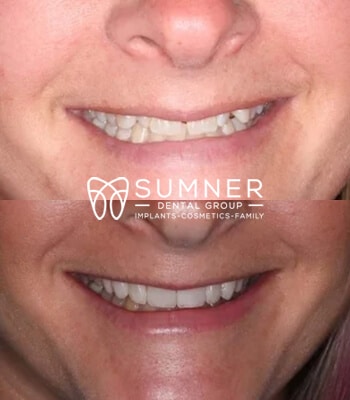
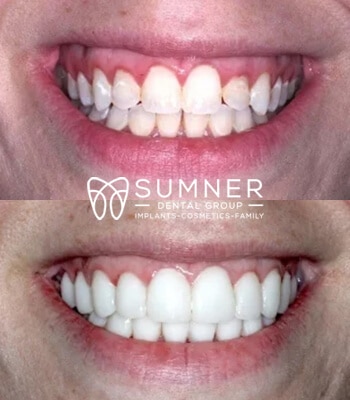
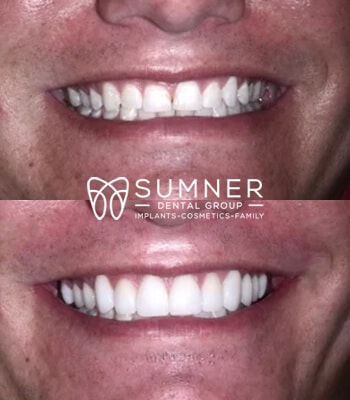
Before & After
More Questions?
If you have any questions or would like to schedule your dental checkup, contact our office, and we’ll be happy to help.